
Vacant property insurance is where a lot of landlords and investors get surprised. If thieves strip the copper out of an empty house and the water runs, whether you’re covered comes down to how long the house sat empty and what kind of policy is on it.
The short answer
Sometimes, and it depends on two things: how long the house sat empty, and what kind of policy is on it. Many standard policies stop covering vandalism and theft once a home has been vacant for more than 60 consecutive days (Adjusters International).
Pipe theft claims are rarely one loss. There’s the stolen copper, the damage done ripping it out, and the water that runs afterward. Each piece can fall under a different part of the policy, which is why these claims get complicated and why documentation matters so much.
What “vacant” means in vacant property insurance
To an insurer, “vacant” and “unoccupied” are not the same thing, and the difference can decide a claim.
| Term | What it usually means | Example |
|---|---|---|
| Vacant | Empty: no people and little or no furniture or belongings | A rental between tenants, cleaned out and waiting for rehab |
| Unoccupied | Furnished, but no one is living there | An inherited house with the furniture still in it |
Many policies only use the word “vacant,” but some exclude losses at a home that is “vacant, unoccupied, or uninhabited,” which reaches much further (CLM). Courts have also found that a little furniture and occasional visits don’t automatically make a home occupied (Adjusters International).
The clock matters. Standard homeowners forms count 60 consecutive days of vacancy; some older forms used 30. Some policies treat a building under active construction or renovation as not vacant, but that exception isn’t universal, and the work has to actually be happening during that window.
What vacancy can take away
Once a home passes the vacancy limit, a standard homeowners policy typically stops covering the losses empty houses are most likely to suffer (Adjusters International; CLM):
- Vandalism and malicious mischief
- Theft and attempted theft, including copper pulled from walls and basements
- Glass breakage
- Water damage
- Sprinkler leakage, unless the system is protected against freezing
What’s still covered is often paid at 15 percent less.
Freezing is its own trap. Burst-pipe damage from freezing generally isn’t covered unless heat was kept on in the building, or the water was shut off and the system drained (Adjusters International).
Theft and the damage around it. When thieves tear into walls and floors for copper, courts have split on whether that damage counts as covered vandalism or excluded theft, and some policies cap all of it under a smaller theft limit (CLM; PropertyCasualty360). The exact wording of your policy controls.
Vacant property insurance for rentals and investment houses
A homeowners policy is written for the home you live in. Rentals and investment houses are usually insured on a dwelling policy instead, and the form level makes a big difference for vandalism and break-in damage (NC Department of Insurance).
| Policy form | How it covers | Vandalism | Pays |
|---|---|---|---|
| DP-1 (basic) | Named perils only: fire, lightning, internal explosion | Only if added | Actual cash value |
| DP-2 (broad) | Named perils, a longer list | Included, plus burglary damage, freezing and accidental water discharge | Replacement cost |
| DP-3 (special) | Open perils on the building, except what the policy excludes | Covered unless excluded | Replacement cost |
Vacancy limits still apply on dwelling forms. On a DP-2, for example, accidental water discharge is covered only if the building wasn’t vacant for 60 days before the loss. If a house will sit empty during a rehab or between tenants, ask about a vacancy permit or vacant property insurance before the clock runs out.
From the field
In Chester, an owner-investor had closed on a house two days earlier, and the last occupants had just moved out. Within about 72 hours of the house sitting empty, vandals got in and cut the copper water lines in the first- and second-floor bathrooms. Water sprayed from both floors and drained into the basement until it stood about four feet deep.
We shut off the water and electric, pumped it out, and found a missing section of sewer line, most likely never built right in the first place, so the floodwater had mixed with sewage.
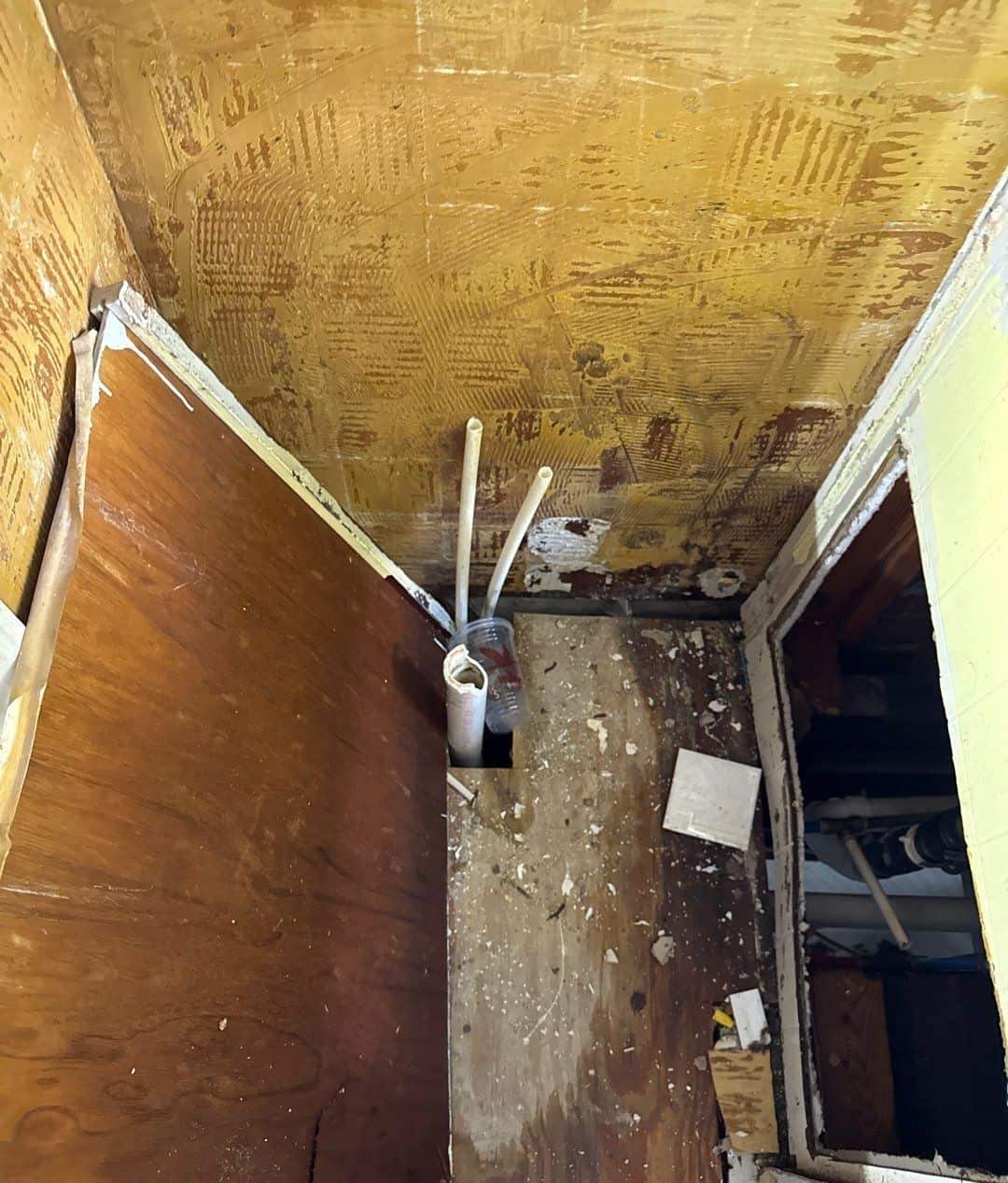

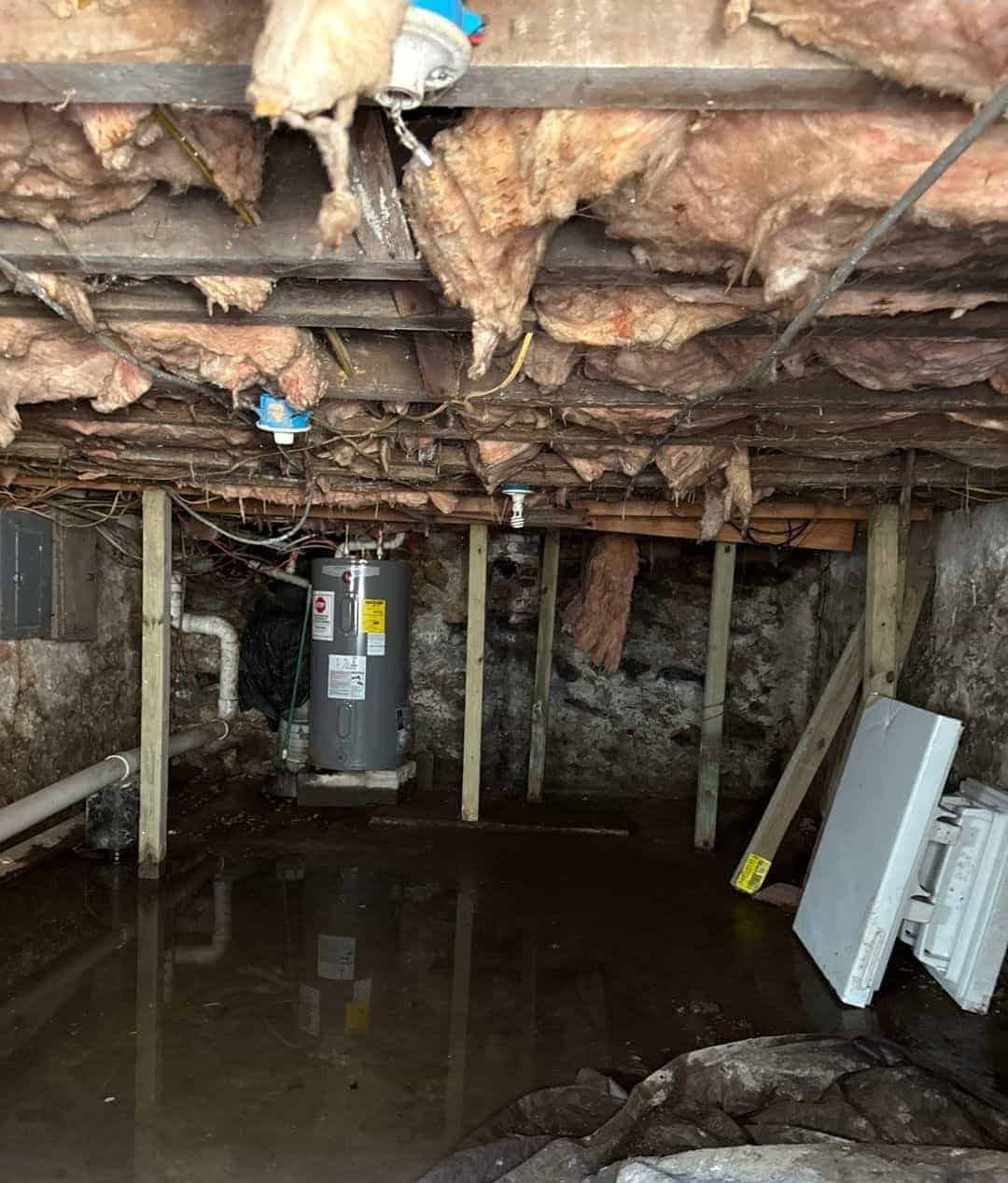

On the vacant property insurance side, vacancy wasn’t the problem: the house had been empty about three days, nowhere near a 60-day limit. What made the claim complex was everything stacked together: a theft, water from two floors, an old sewer defect, and Category 3 contamination.
What got it approved was proof of the cause. We went to the Chester Police Department and obtained the reports showing theft of the copper pipes and vandalism, then backed them with photos of every stage, from the cut lines to the water level to the missing sewer section. The insurer covered the loss.
Why vacant property insurance claims get complicated
A pipe-theft loss usually has several causes stacked together, and the insurer looks at each one separately:
- The theft itself. Stolen copper may fall under a theft limit, or be excluded after the vacancy window.
- The damage done getting to it. Cut walls, broken floors and forced doors can be argued as vandalism, theft, or break-in damage, depending on the wording.
- The water that followed. Water from open lines is a separate loss, and how long it ran matters.
- Contamination. If sewage mixed in, the cleanup becomes Category 3 under the IICRC S500 standard, which changes what has to be removed rather than dried.
What helps the claim:
- Photos and video before anything is moved: the cut lines, the water level, the damage path
- A police report for the theft or vandalism. In our experience, this is the piece that gets these claims approved
- Dates: when the house was last checked, when the loss was found, how long it had been empty
- Utility records or bills showing water and heat status
- A mitigation contractor’s moisture readings, logs and job photos from day one
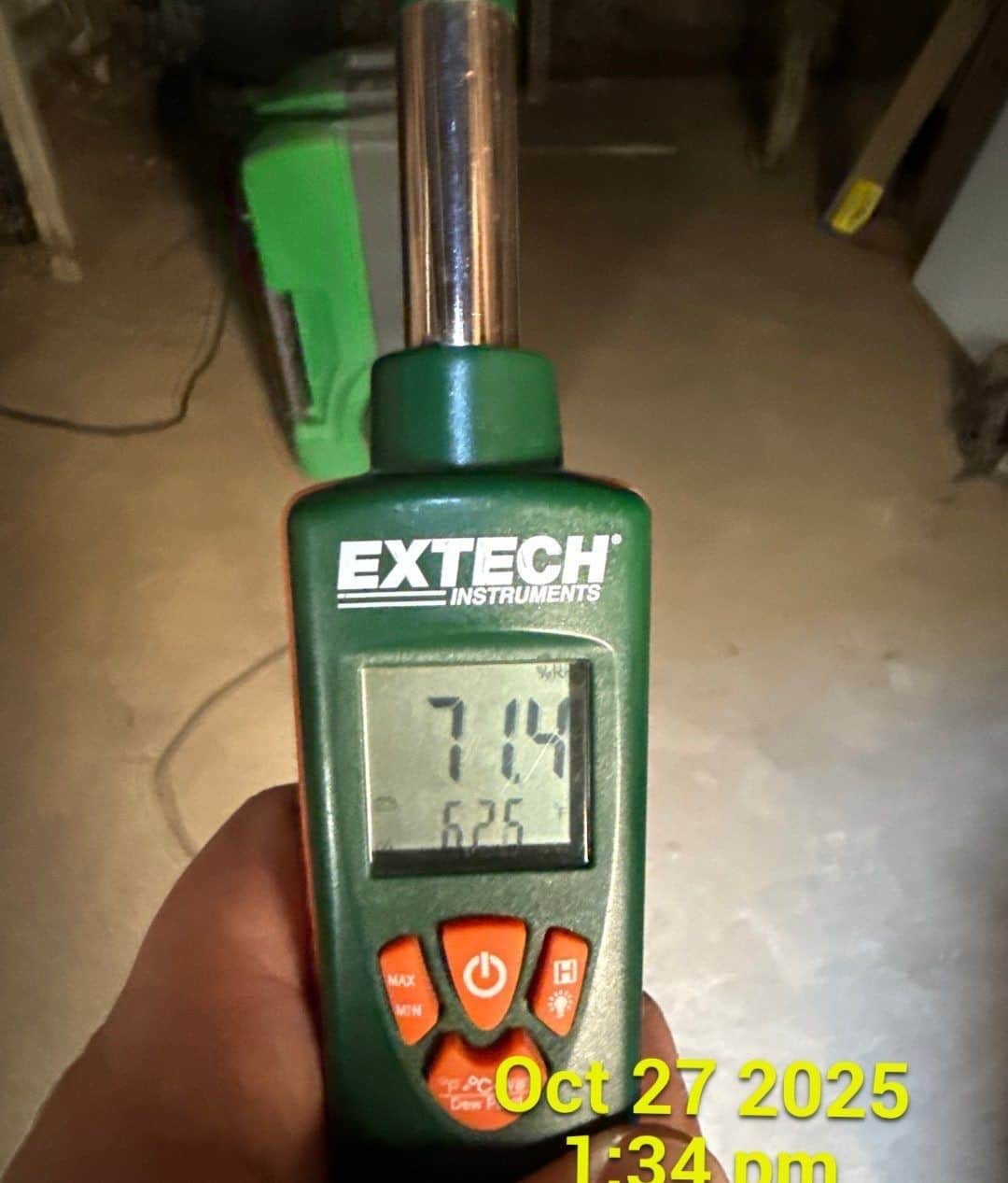
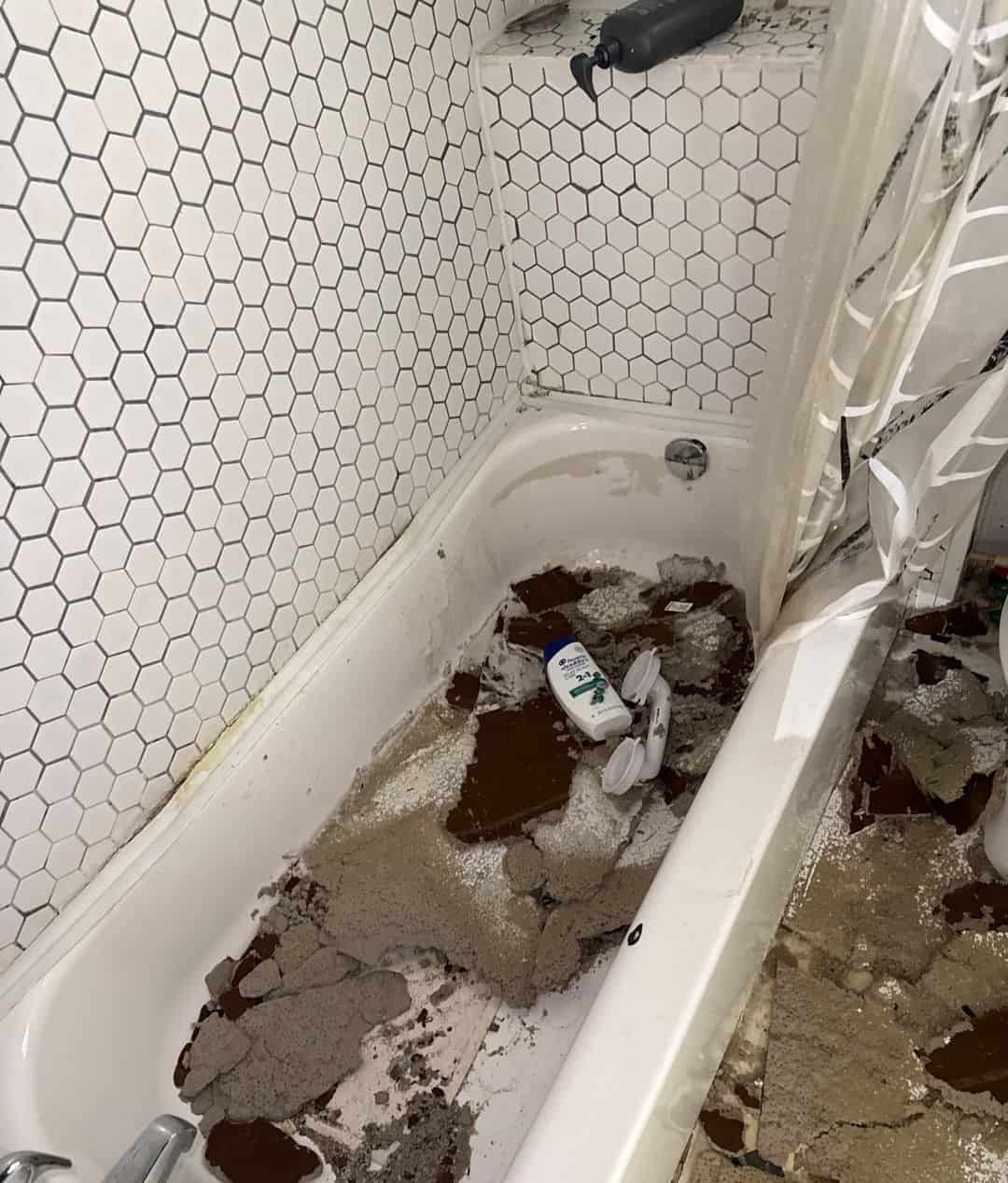
This page is general information from a restoration contractor, not legal or insurance advice. We document and restore the property; we don’t negotiate your claim for you. Pennsylvania licenses public adjusters for that. See how we work with insurance claims.
What to do right now
If you walk into a property and find stolen pipes and standing water:
- Don’t go into a flooded basement. Water near the panel, outlets or appliances can be live.
- Shut off the water at the main or the curb, if you can reach it safely.
- Have the electric shut off by the utility or an electrician before anyone goes down.
- Photograph and video everything before cleanup: cut lines, water level, damage, entry points.
- Call the police and get a report number for the theft or vandalism.
- Notify your insurer, or your vacant property insurance carrier, promptly, and write down the date the house was last checked.
- Start mitigation. Your policy expects you to prevent further damage, and standing water turns into mold and structural damage within days. See our flooded basement cleanup.
Protecting an empty property
Most of the damage in a pipe-theft loss comes from the water, not the theft, and that part is preventable.
- Shut the water off at the main and drain the lines whenever a house will sit empty. Thieves can still take copper, but there’s nothing left to flood the basement.
- Keep heat on in winter, or shut off and drain the system. Freezing claims often hinge on this (Adjusters International).
- Check the property on a schedule and keep a dated log or photos of each visit.
- Secure basement doors and windows, the usual way in for copper thieves.
- Tell your agent before the 60-day mark and ask about a vacancy permit, a renovation provision, or vacant property insurance.
Questions to ask your agent about vacant property insurance
- “Is this property on a homeowners or a dwelling policy, and which form: DP-1, DP-2 or DP-3?”
- “How many days can it sit empty before vandalism, theft or water damage coverage stops?”
- “Does a rehab in progress count as occupied under my policy?”
- “Is there a separate, lower limit for theft?”
- “Do I have water backup coverage, and what’s the limit?”
Common questions
Does vacant property insurance cover copper pipe theft? It can, if the house wasn’t past the vacancy limit and the policy covers theft. The resulting water damage is often handled as its own part of the claim.
My house is under renovation. Is it vacant? Some policies treat active construction or renovation as not vacant, but only if work is actually happening. Ask your agent to confirm in writing.
Should I clean up before the adjuster comes? Take photos and video first, then stop the damage. Pumping out water and drying the structure is expected, not optional.
Not sure where you stand?
Tell us what happened and we’ll tell you what to do next. Stolen pipes or a flooded basement right now? Call (610) 215-7111.